
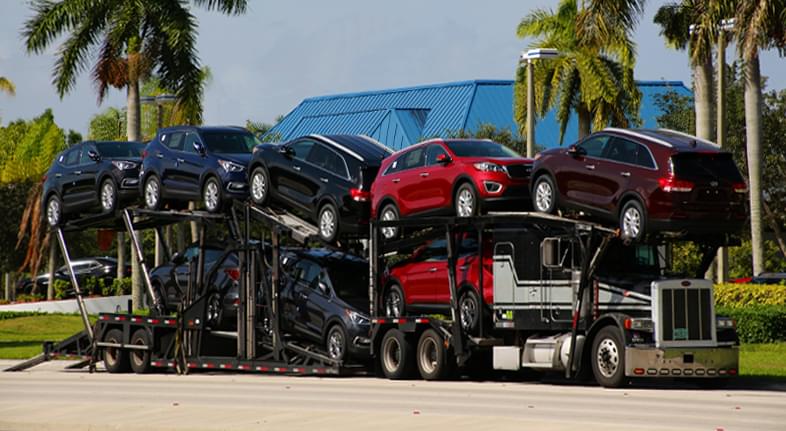
Florida and New York are connected by one of the busiest vehicle transport corridors in the United States. Every year, thousands of vehicles travel between the two states as retirees head south for the winter, snowbirds return north in the spring, families relocate, college students move between semesters, and professionals accept new jobs.
Because demand changes dramatically throughout the year, the cost and timing of shipping a vehicle can vary depending on when you book. Many customers researching Navi’s Florida to New York shipping options compare seasonal pricing before scheduling their move because choosing the right time can save hundreds of dollars.
This guide explains how each season affects vehicle shipping between Florida and New York, what pricing typically looks like in 2026, and how to avoid common scheduling mistakes.
Why This Route Is One of the Busiest in America
Florida and New York generate consistent auto transport demand for several reasons.
Common shipments include:
- Snowbird relocations
- Permanent moves
- Corporate transfers
- College students
- Military relocations
- Online vehicle purchases
- Dealership inventory transfers
- Seasonal residents
Because carriers regularly operate this route, availability is generally good throughout the year. However, demand rises sharply during certain months, affecting both pricing and transit times.
Typical Shipping Costs
For a standard sedan or compact SUV using open transport, broad planning ranges in 2026 include:
- Miami to New York City: approximately $900–$1,500
- Orlando to New York City: approximately $850–$1,400
- Tampa to New York City: approximately $850–$1,400
- Jacksonville to New York City: approximately $700–$1,200
- Fort Lauderdale to Buffalo: approximately $1,000–$1,600
These are planning estimates rather than guaranteed prices.
Larger SUVs, pickup trucks, oversized vehicles, heavy EVs, and enclosed transport requests generally increase the total cost.
Winter: The Peak Snowbird Season
Winter is one of the busiest periods for Florida auto transport.
Thousands of retirees and seasonal residents travel south between October and January, creating significant demand for carriers.
During this period, you can expect:
- Higher prices
- Longer booking lead times
- Increased carrier demand
- More limited pickup flexibility
If you know you’ll need transport during winter, book four to six weeks in advance whenever possible.
Waiting until the final week often results in fewer carrier options and higher prices.
Spring: Heavy Northbound Traffic
Spring is equally busy—but in the opposite direction.
Between March and May, many snowbirds return to New York and other northern states.
Demand for northbound transport increases considerably.
Spring customers should expect:
- Strong carrier demand
- Competitive scheduling
- Moderate to higher pricing
- Busy pickup calendars
Booking several weeks early remains the best strategy.
Summer: Moving Season
Summer brings another wave of demand.
Common reasons include:
- Family relocations
- College moves
- Corporate transfers
- Military PCS season
Although carrier availability remains relatively strong, demand is spread across many routes nationwide.
Customers moving between Florida and New York during summer should expect pricing similar to spring, particularly in June, July, and August.
Fall: Often the Best Value
For customers with flexible schedules, early fall is often one of the best times to ship.
Demand usually slows before snowbird season begins.
Benefits may include:
- Better pricing
- Greater scheduling flexibility
- More carrier availability
- Shorter booking lead times
If your move isn’t tied to a fixed date, September and early October can provide excellent value.
How Long Does Shipping Take?
Transit times remain relatively consistent throughout the year.
Typical timelines include:
- Carrier assignment: several days to one week
- Pickup window: one to five days
- Transit: approximately 3–6 days
Weather can occasionally create delays, particularly during hurricane season in Florida or winter storms in the Northeast.
Build some flexibility into your schedule rather than relying on the earliest estimated delivery date.
What Influences Pricing?
Several factors affect your quote.
Vehicle Size
Compact cars generally cost less than:
- Full-size SUVs
- Pickup trucks
- Cargo vans
- Heavy electric vehicles
Larger vehicles occupy more trailer space and increase transport costs.
Pickup and Delivery Locations
Major cities generally provide the best pricing.
Popular locations include:
- Miami
- Orlando
- Tampa
- Jacksonville
- Fort Lauderdale
- New York City
- Albany
- Buffalo
- Rochester
Remote locations may require additional travel for the carrier, increasing costs.
Flexibility
Customers with flexible pickup windows usually receive more competitive pricing than those requesting immediate transport.
Open vs. Enclosed Transport
Most Florida-to-New York shipments use open transport.
Open carriers are ideal for:
- Daily-driver vehicles
- Sedans
- SUVs
- Pickup trucks
- Lease vehicles
Enclosed transport is generally recommended for:
- Luxury vehicles
- Collector cars
- Classic automobiles
- Exotic vehicles
- Custom show cars
Expect enclosed shipping to cost 30% to 60% more than open transport.
Is Shipping Better Than Driving?
Driving between Florida and New York typically requires two to four days depending on your route.
Before deciding, calculate:
- Fuel
- Hotels
- Meals
- Tolls
- Vehicle maintenance
- Tire wear
- Additional mileage
- Lost work time
Professional transport often becomes more competitive than expected once every expense is considered.
It also eliminates long hours behind the wheel and reduces wear on your vehicle.
Preparing Your Vehicle
Before pickup:
- Wash the vehicle.
- Photograph every side.
- Remove personal belongings.
- Leave approximately one-quarter tank of fuel.
- Remove toll tags.
- Check tire pressure.
- Ensure the battery is fully charged.
- Inform the carrier about any mechanical issues.
A properly prepared vehicle helps speed up inspections and simplifies delivery.
Understanding Door-to-Door Service
Door-to-door transport means the carrier delivers as close to your address as safely and legally possible.
Large transport trucks may not be able to access:
- Narrow residential streets
- Apartment complexes
- Gated communities
- Areas with low-clearance restrictions
When necessary, the driver may arrange pickup or delivery at a nearby truck-friendly location.
This is standard throughout the industry.
Common Mistakes to AvoidWaiting Too Long
Peak snowbird season books quickly.
Reserve your shipment early whenever possible.
Choosing Only the Lowest Quote
Very low estimates may not reflect actual carrier-market pricing.
Look for realistic quotes and clear communication.
Leaving Personal Items Inside
Most personal belongings are not covered by cargo insurance.
Remove valuables before shipment.
Ignoring Seasonal Demand
Shipping in October is very different from shipping in September.
Understanding seasonal trends can help you secure better pricing.
Tips for Saving Money
You can often reduce your transport costs by:
- Booking several weeks ahead.
- Shipping during early fall if possible.
- Choosing open transport.
- Remaining flexible with pickup dates.
- Using major metropolitan pickup and delivery locations.
These simple strategies can make a noticeable difference.
Final Thoughts
Florida-to-New York remains one of the most active auto transport routes in the country, but demand changes dramatically throughout the year. Snowbird migration, summer relocations, and seasonal travel all influence pricing and availability.
By understanding these seasonal patterns, requesting quotes early, and planning ahead, you can often secure a better rate and enjoy a smoother shipping experience. Whether you’re relocating permanently or making a seasonal move, choosing the right time to ship can save money, reduce stress, and help your vehicle arrive when you need it.