
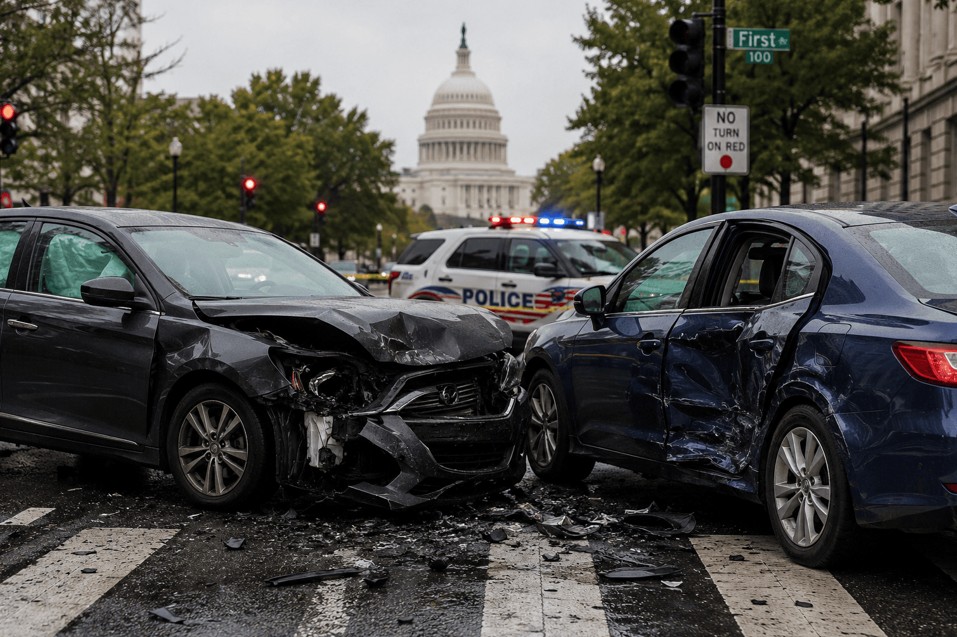
An automobile accident may turn a typical day into chaos. One minute you are driving through Washington, DC. Then you have to deal with pain, car damage, phone calls and bills. Most consumers assume the insurance provider will be fair. That’s fair. Sadly it is not always successful. Simple mistakes in the first few days can lower the value of a claim. Some mistakes can make it tougher to recover money for medical expenses, missed wages and pain. Knowing what NOT to do can safeguard your health and your rights under the law.
Don’t Leave Without Calling The Police
A few accidents appear to be minor. The damage could look modest. Maybe everyone says they’re alright. But contact the police. A police report is an official record of what transpired. Insurance companies will often look at the report in their investigation. If you don’t have one, it’s your word against theirs. Even a minor crash can lead to injuries that surface hours or days later.
Don’t Skip Medical Care
Immediately after the crash, you can feel OK. Adrenaline can mask pain. You might not notice the aching neck or tight back until the next morning. Go see a doctor as soon as feasible. Your injuries are linked to the crash in your medical records. Those documents often serve as a vital piece of proof in the claim. If you wait too long, insurers may say it was something else that caused your injury.
Don’t Accept the Blame
When accidents happen people often say sorry. It’s a natural response. But don’t say something like that:
- It was my fault.
- I never saw you.
- Sorry.
You may not know precisely what caused the crash. It may have been weather, speeding, inattentive driving or something else. Let the investigators look at the facts before anyone concludes who was responsible.
Don’t Forget To Collect Evidence
If it is safe, get as much information as you can. Photograph:
- Damage to the car
- Road conditions:
- Street signs
- Skid markings
- Injuries (apparent)
Get contact details of witnesses as well. Often pictures and witness testimony can explain the narrative better than just recollection alone. Imagine evidence as puzzle pieces. One piece, little as it may seem, is part of the whole image.
Be Cautious of Insurance Adjusters
An insurance adjuster may contact shortly after the collision. They may sound friendly. Most are courteous. Their role is still to protect the interests of the insurance company. I will not take away anything I told you. Never change your injury. Do not give a recorded statement before you know your rights. If you have representation, refer the calls to your lawyer.
Don’t Take the First Settlement
Early settlement offers can be attractive. Medical costs are coming. Your automobile is broken. Not working causes greater stress . The first offer will usually come before they know the full extent of your injury. Some injuries need weeks or months of treatment. If you take a settlement, you generally can’t come back later and demand more money. It is a decision that requires considerable deliberation.
Social Media Can Damage Your Claim
Here’s the thing. Insurance firms sometimes check public social media posts. A vacation photo with a smile or gym selfie is not going to reveal the complete story. “But it could be used to question your injuries.” Avoid posts about:
- The mishap
- Your hurts
- Negotiations for settlement
- Physical activity
- A little time away from social media can help your case.
- Retain All Records
Good recordkeeping saves headaches down the road. 1. Make a folder for all accident related material. Make copies of:
- Hospital bills
- Repair estimates.
- Prescription vouchers
- Lost wage records
- Letters Insurance
- Notes for appointment
Little things are often useful months down the road.
Don’t Delay Too Long
After any accident, time is of the essence. Evidence can vanish. Witnesses get lost, or forget things. Legal deadlines apply to injury claims as well. The sooner you act, the more time your attorney will have to develop a stronger case.
The Importance of Legal Help
It’s unusual that car accident claims are simply about repairing a vehicle. Many involve future medical care, lost income, discomfort, mental anguish and insurance issues. A seasoned DC Personal Injury Lawyer can assess evidence, negotiate with insurance companies, determine the value of your losses, and fight to safeguard your rights along the entire process. For those who have suffered catastrophic injuries, legal advice can help take a lot of the strain off them as they focus on recovering. Price Benowitz Accident & Injury Lawyers, LLP is a Washington, D.C. law firm representing injured victims. The firm represents all forms of accident lawsuits including vehicle, truck, motorbike, bicycle, bus and pedestrian accidents. Their attorneys also assist people who have had serious injuries, such as burns and spinal cord damage.
Some last words
No one expects a crash. A diligent driver can nonetheless find himself in a situation where he has to sort out someone else’s mistake. The hours and days after a crash are more important than most people realize. Now smart selections can make a huge difference down the road. Go to the doctor. Save all the files. Be careful what you say to insurance. Inquire before you sign anything. Following these basic actions can help preserve your recovery and your future.
Common Questions
1. Do I need to notify the police after a minor vehicle accident in Washington, DC?
Yes, a police report is an official record of the crash. Small mishaps can cause injuries or insurance conflicts later on. That report is often useful evidence in claims processing.
2. How long do I have to see a doctor following a car accident?
You have to get medical help immediately. Some injuries don’t manifest until hours or days later. Treating you promptly can save your health and create a record linking your injuries to the accident.
3. Can my injury claim be affected by Social Media?
Yes. Insurance firms could look through public messages and images. Even innocent updates can be taken out of context. In general, it is better to avoid discussing your accident or injuries on social media until your case is resolved.
4. Should I take the first settlement offer from the insurance company?
Not without looking it over carefully. Early settlements may not include future medical care, lost income or ongoing agony. Never accept any settlement without first consulting a lawyer to defend your interests.
5. When Should You Call Washington, D.C. Personal Injury Attorney?
Get a lawyer as soon as you can following the accident. Getting legal advice early helps preserve critical evidence, contact witnesses and address insurance issues before they become problems.