
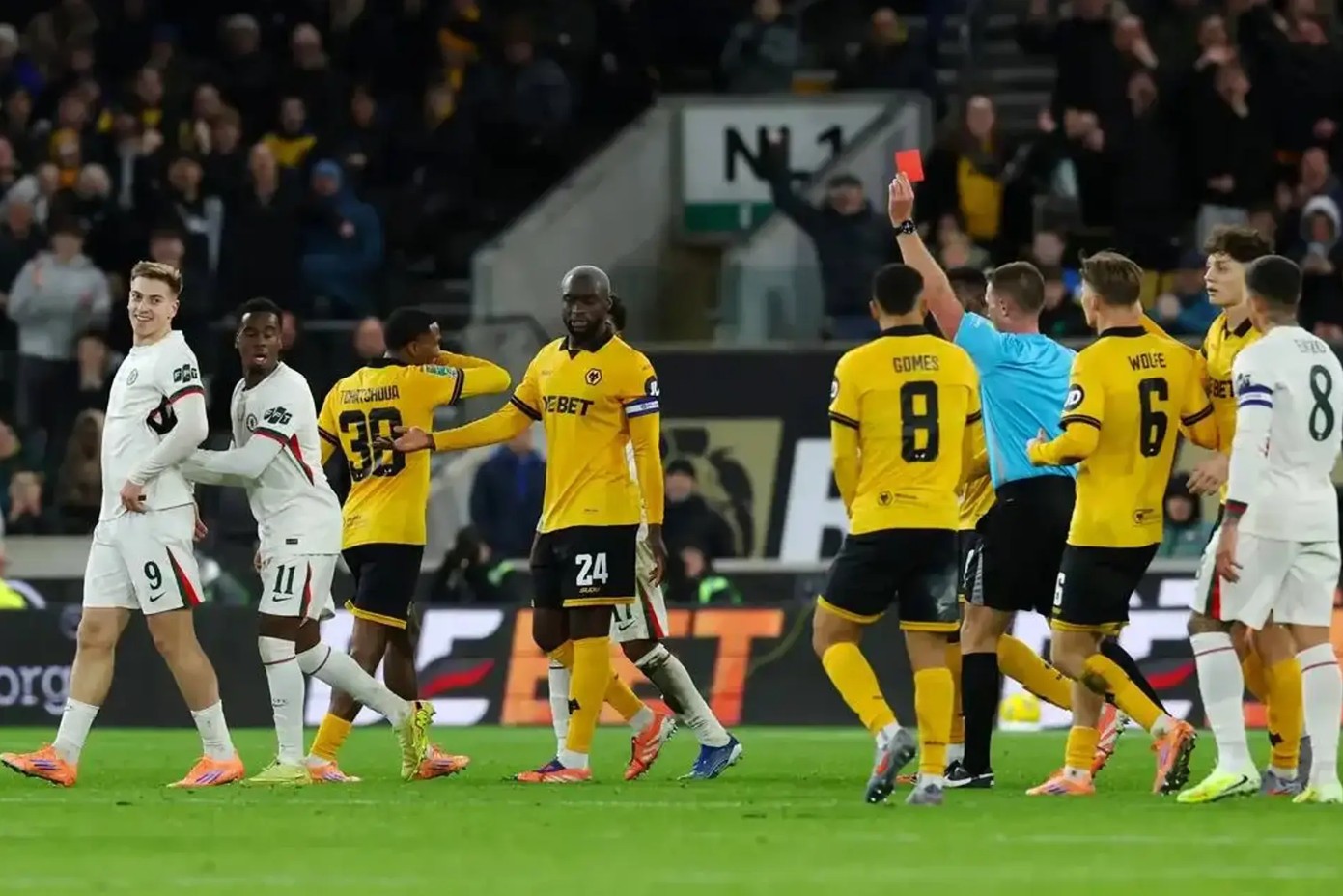
Losing a slip in the 2020/21 Premier League season hurt more than usual because the league itself felt chaotic, with strange scorelines, weakened home advantage, and tight schedules that produced wild swings. When those unexpected results hit your bankroll, the real danger was not the loss itself but the emotional reaction that followed, because frustration and loss aversion are exactly what push people into chasing losses with bigger, less rational bets.
Why Losing a Premier League Bet Feels Worse Than It “Should”
A Premier League wager rarely stands alone; it is tied to team loyalty, pre-match excitement, and the belief that your analysis or intuition was “right”. Psychological research shows that people feel the pain of losing money more strongly than the pleasure of winning the same amount, a bias known as loss aversion. In betting, this means a single lost slip—especially one that fell to a late goal or near-miss—can feel disproportionately unfair, triggering anger or shame rather than just disappointment. In a volatile 2020/21 season where many matches flipped late, those emotional spikes became frequent, creating perfect conditions for impulsive responses.
Once that emotional pain kicks in, the mind looks for quick relief. The most obvious way to “erase” the loss is to win it back immediately, which is why chasing losses is widely recognised as a hallmark of the transition from recreational to disordered gambling. Understanding that your brain is wired to overreact to losing bets is the starting point for any strategy aimed at breaking the chain from one bad result to a whole night of uncontrolled staking.
How Chasing Losses Emerges from Emotional Reflexes
Chasing losses is not a separate habit from your usual betting; it is a specific pattern that appears when emotions override your plan. It typically begins with a strong emotional response—frustration, anger, or a sense of being “owed” a win—after a painful slip. Research on gambling behaviour highlights that people often respond to such distress by increasing stake size or bet frequency in an effort to recover quickly, but this tends to deepen losses rather than fix them. The underlying mechanism combines loss aversion, overconfidence, and the gambler’s fallacy: you feel you “must” win soon because you have just lost, even though probabilities have not changed.
In the context of 2020/21, the Premier League’s unpredictability only made chasing more dangerous. A bettor who believed that a big club was “due” for a result after a bad run, and raised stakes each time, was building their decisions on a fallacy, because each match remained subject to the same uncertainties—injuries, fatigue, empty stadiums—that produced the earlier losses. The outcome of this pattern, documented across gambling studies, is a spending spiral in which each attempt to recover increases exposure and accelerates financial and emotional harm.
Recognising the Emotional Signs Before You Start Chasing
The most effective way to avoid chasing is to catch it before it starts, which means becoming attentive to your emotional state immediately after a loss. Work on gambling-related emotional regulation shows that people who struggle to name and recognise their feelings are more likely to use gambling as an automatic coping tool, treating new bets as a way to escape discomfort. After a lost Premier League slip, the critical moment is the few minutes where your heart rate is up, your thoughts are racing, and you find yourself mentally calculating “what I need to win back”.
Those signals—thoughts about instant recovery, urges to raise stakes, blaming referees or bad luck for everything—are the flags that your decision-making has shifted from analytical to emotional. If you can label what you feel (“I am angry and embarrassed”, “I feel cheated”), you create a small gap between the emotion and your next action, which is exactly what therapies for problem gambling describe as a first step in breaking automatic responses. The impact of that awareness is that you can choose a response other than “bet again immediately”, even if part of you still wants to.
Mechanism: The Short Emotional Loop from Loss to “All-In”
The loop that leads to chasing losses is usually fast and unconscious. A painful loss activates dopamine-related reward pathways in reverse: instead of pleasure, you experience a sharp drop in mood, which research associates with frustration, shame, or emptiness. The brain, conditioned by earlier wins, remembers that gambling sometimes brings euphoria, so it suggests placing another bet as a way to regain that feeling and erase the negative state. Because this process happens quickly, especially when you are still watching live football or checking scores, you can go from one lost slip to several new bets in minutes, without revisiting your original staking plan.
Concrete Cool-Down Rules for the Minutes After a Lost Slip
To interrupt that loop, you need pre-defined cool-down rules that activate as soon as a bet settles in the red. Practical workbooks on emotional dysregulation in gambling recommend simple, immediately applicable strategies: step away from screens, focus on breathing, and give yourself time to feel the emotion without acting on it. A structured version for Premier League bettors might include a mandatory five- or ten-minute break after every loss—no apps, no odds, no social media—during which you consciously breathe, label your feelings, and check whether your urge is to get even or to make a considered decision later.
Another useful rule is to forbid yourself from increasing stake size on the next bet after a losing slip, regardless of how “good” the next opportunity looks. This eliminates the most dangerous form of chasing—doubling down in anger—by making it mechanically impossible under your personal code. The cause–effect benefit is that you decouple immediate emotion from stake escalation; the outcome is fewer all-or-nothing bets placed during emotional peaks; the impact over time is a smoother loss curve without catastrophic spikes caused by trying to recover everything at once.
Using Pre-Set Bankroll Limits as Emotional Guardrails
Emotional control is easier when your bankroll structure already limits how much damage a single evening can do. Responsible gambling guidelines emphasise that bettors should decide in advance how much they are prepared to lose over a given period and stick to that limit regardless of wins or losses. In a high-frequency environment like the 2020/21 Premier League, where matches were often available on multiple days, such caps prevented the season’s volatility from turning into unlimited exposure.
For practical purposes, you can split your bankroll into daily or weekly units and pre-assign a maximum number of bets or total stake for each matchday. Once that ceiling is hit—whether through one big loss or several small ones—you stop, full stop. The cause is that your plan, not your mood, now decides when betting ends; the outcome is that even when emotion screams “win it back”, your own rule says “not today”; the impact is that chasing losses is constrained to irritation rather than large financial collapse. Over time, this discipline also gives you cleaner data on your performance, because binge sessions no longer distort your results.
In contexts where you use a dedicated sports betting service to place Premier League wagers, these guardrails can be reinforced by how you approach the account itself. If, before logging into UFABET, you have already written down your maximum exposure for the day and the specific matches you are interested in, then the balance and betslip simply become tools for executing that plan. Even when a slip loses in a painful way, the pre-set daily limit and the short list of fixtures stop you from scrolling through the rest of the schedule and loading new, emotionally driven bets; instead, ufabet168 functions as a record of what you chose before the loss, not as a playground for spur-of-the-moment revenge staking.
Avoiding the Slide from Football Losses into Other Forms of Gambling
One particularly dangerous chasing pattern does not stay inside football at all. After a Premier League slip fails—especially in a dramatic or unlucky way—some bettors shift into faster, higher-volatility forms of gambling because they promise rapid outcomes and the chance of an immediate emotional reversal. Studies on problem gambling highlight that this tendency to use gambling as an escape from emotional distress is a key feature of disordered behaviour, and that it often involves moving into games where skill or analysis play little role.
When that escape route involves stepping into a casino online environment, the risk intensifies. The pace of spins, hands, or instant games means there is almost no time for reflection between outcomes, and the persistent house edge makes long-run recovery unlikely even if you hit short bursts of luck. The cause is a desire to change how you feel as quickly as possible; the outcome is substituting structured, slower sports bets with rapid-fire wagers that are harder to control; the impact is that your original Premier League loss becomes the starting point of a much larger, less recoverable downswing. Recognising this shift and explicitly deciding that football losses will not be “fixed” in other gambling formats is critical to long-term emotional and financial safety.
Conditional Scenarios: Different Loss Types, Different Emotional Traps
Not every losing slip triggers the same psychological response. A straightforward defeat where your chosen team never looked likely to win may hurt your pride but is less likely to produce intense anger than a near-miss where a last-minute goal, red card, or VAR decision reverses the result. Research on chasing losses notes that near-misses can be especially provocative, because they feel close enough to a win to convince you that your approach was “almost right”, encouraging another bet to prove it. In live betting, rapid shifts in in-play odds toward the end of matches also invite impulsive staking as bettors react emotionally to unfolding events.
Knowing which scenarios trigger you most lets you pre-empt your own patterns. If you are particularly affected by last-minute swings, you might choose to avoid live betting altogether or to switch off once your scheduled stake is on, rather than chasing corrections as the match unfolds. If you notice that near-misses make you most likely to double stakes, you can add a specific rule: “After a last-minute loss, no further bets today.” The cause–effect benefit is that you tailor your safeguards to the situations where your self-control is weakest; the outcome is that your worst nights become manageable; the impact is that you stay within recreational boundaries even when Premier League drama is at its highest.
Summary
Controlling your emotions after losing a Premier League 2020/21 bet is not about pretending you do not care; it is about preventing natural feelings from driving irrational attempts to “win it back”. Psychological research on betting shows that loss aversion, near-misses, and distress make chasing losses feel logical in the moment, but in practice they lead to larger stakes, more frequent bets, and deeper financial harm. By recognising your emotional signals, enforcing cool-down periods, setting firm bankroll limits, and refusing to use other gambling formats as an escape, you break the chain from one lost slip to a night of uncontrolled chasing, keeping betting within the bounds of your original intention instead of letting a single Premier League result dictate your behaviour.