
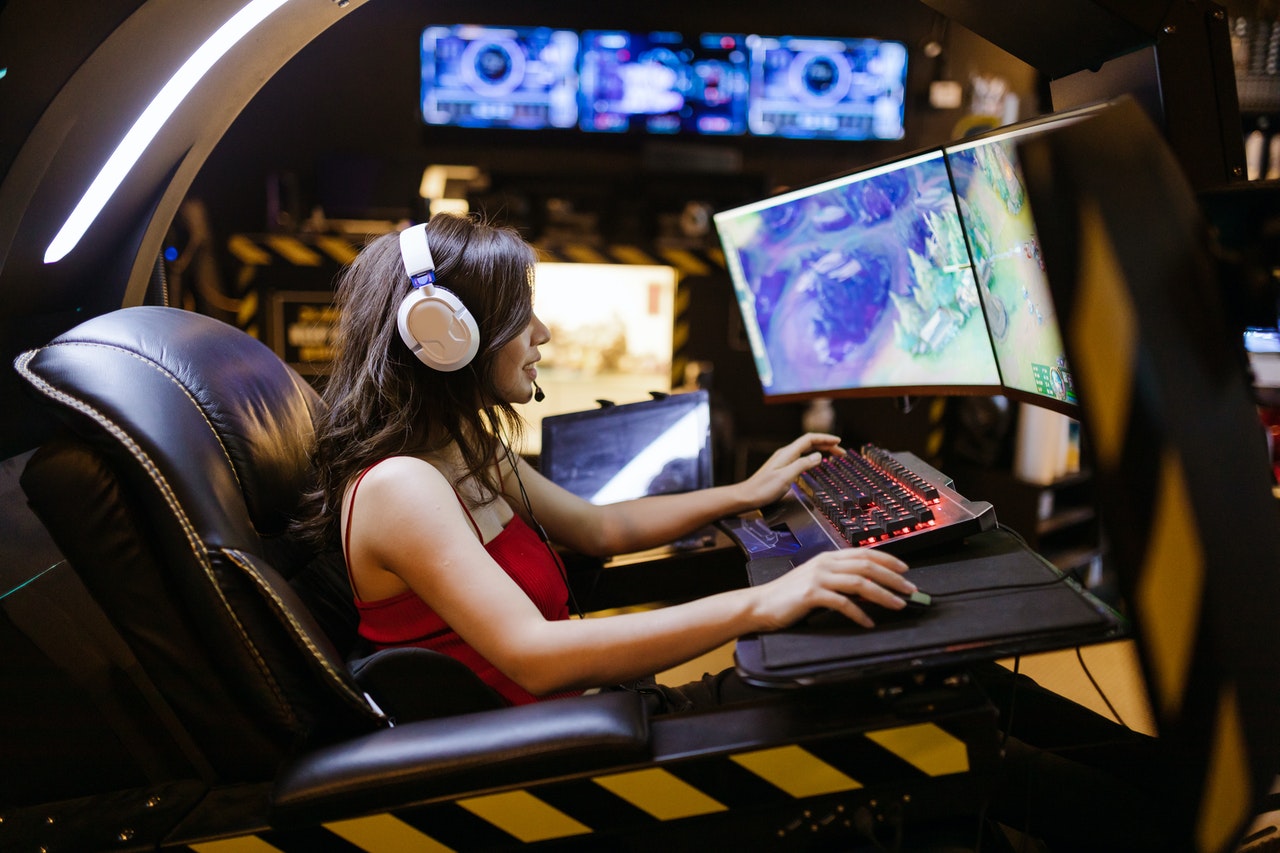
The digital era has brought about unprecedented shifts in how we interact with each other, and online slot is at the forefront of this transformation. What was once a solitary activity is now a rich, communal experience where millions of players worldwide connect, collaborate, and compete. Online games are not just about play; they are reshaping social interactions, fostering relationships, and even creating entirely new ways for people to engage with one another. Let’s dive into how online games are redefining social connections and transforming the way we communicate in the digital age.
Gaming Communities: A Global Hub
One of the most significant ways online gaming has redefined social connections is through the creation of diverse global communities. Players from all corners of the world, with varying backgrounds and interests, can come together through a shared love of gaming. Games like World of Warcraft, League of Legends, and Fortnite are prime examples of how online gaming has expanded beyond geographic and cultural boundaries.
Breaking Down Barriers
Online gaming provides a level playing field where players can connect without the limitations of physical location, language, or background. The global nature of online multiplayer games means that gamers can form friendships with people they might never have met in real life. This sense of global connectivity fosters inclusivity and helps build bridges across cultures and continents.
For instance, in Fortnite, players from North America can team up with players from Asia or Europe, sharing strategies and experiences without the constraints of time zones or borders. This openness is one of the most powerful aspects of online gaming—it’s a world where people can come together as equals, united by a shared goal or passion.
Finding Like-minded People
One of the great appeals of online games is their ability to bring together individuals with shared interests. Whether it’s a competitive game like Rocket League or a cooperative experience like Overwatch, online games provide an easy way for players to meet like-minded individuals.
Many gamers join communities, guilds, or clans within the game, which serve as social spaces where they can chat, strategize, and form lasting bonds. These groups often extend beyond the game itself, with players interacting through social media platforms, Discord servers, and other channels. As a result, gaming communities can become a critical part of players’ social lives, creating a sense of belonging and camaraderie.
Virtual Worlds as Social Spaces
Online games have evolved into fully immersive virtual worlds, and these spaces offer unique opportunities for social interaction. Whether you’re exploring new environments, completing quests, or simply hanging out in-game, these virtual worlds provide the framework for interactions that mimic real-life social scenarios.
Creating Digital Personas
In many online games, players create avatars to represent themselves in the game world. These avatars are more than just representations of their physical selves—they are vehicles for self-expression, creativity, and identity. Through customization options, players can personalize their avatars, from appearance to clothing to accessories, allowing them to showcase their unique style and personality.
The digital persona you create in these virtual spaces can influence how others perceive you within the game and how you interact with them. In games like Second Life, players can even create entire lives for their avatars, engaging in everything from business to romance, highlighting how online gaming offers the freedom to explore new forms of identity and expression.
Socializing in-game
While many online games focus on competition, others emphasize socializing and collaboration. Animal Crossing: New Horizons and The Sims are prime examples of games that allow players to connect on a deeper level without the pressure of combat. In these games, players can build homes, design communities, or simply spend time exploring the virtual world together.
In Animal Crossing, for example, players invite friends to visit their islands, trade items, or participate in seasonal events. This kind of interaction fosters a relaxed, friendly environment where players can bond without the usual competitive stress, offering a much-needed break from the intensity of action-focused games.
The Rise of Streaming and Social Media
The social aspects of gaming have gone beyond in-game interactions, evolving into a broader cultural phenomenon through streaming platforms like Twitch, YouTube Gaming, and Facebook Gaming. These platforms have become central hubs for the gaming community, allowing players and fans to interact in real-time and build connections around shared content.
Real-Time Interaction
Streaming has taken online gaming to the next level by allowing viewers to watch live gameplay, participate in live chats, and even influence the course of the game. For streamers, this real-time interaction is one of the most rewarding aspects of the job. By engaging with their audience through comments, polls, and donations, streamers can build a loyal community around their content.
In many ways, streaming turns gaming into a social event. Fans can cheer on their favorite players, engage in conversations, and even form friendships with other viewers who share their interests. For many, streaming is not just about the game but about the relationships that are formed within the community.
Social Media Influence
Social media has become another vital tool for gamers to connect. Platforms like Twitter, Instagram, and TikTok are full of gaming-related content, from memes and fan art to gaming news and stream highlights. Gamers, content creators, and esports teams use social media to share their thoughts, interact with fans, and build their personal brands.
For example, bandot88login.com teams use Twitter and Instagram to connect with fans, announce events, and promote sponsors. Gaming influencers, in turn, use social media to interact with their followers, share gaming tips, and give behind-the-scenes glimpses of their lives. Social media has given players a new way to engage with their favorite games and communities, extending social connections beyond the screen and into real life.
Online Gaming and Mental Health
The role of online gaming in fostering social connections goes beyond entertainment—it can also have a profound impact on mental health. For individuals experiencing loneliness, anxiety, or depression, online gaming can offer a vital social outlet.
Support Networks
Many gaming communities offer support for players who are struggling with mental health challenges. Online gaming allows people to talk about their problems, share experiences, and receive emotional support in ways that might be difficult in face-to-face settings. Some gamers find comfort in the anonymity that online environments provide, allowing them to open up without fear of judgment.
Communities built around specific games often have a positive, supportive atmosphere, with players offering encouragement and advice. In games like World of Warcraft, players may form long-lasting friendships, offering each other support through difficult times in real life. Online gaming, in this sense, becomes not just a pastime but a valuable social resource.
Escaping Isolation
For those who are socially isolated, online games provide an opportunity to break free from loneliness. Multiplayer games, where collaboration and interaction are key, offer players the chance to engage in shared activities, even if they are physically alone. The social element of gaming provides a sense of connection that can be particularly valuable for people who might otherwise feel disconnected from society.
The Future of Online Social Connections
As technology continues to advance, the potential for online gaming to redefine social connections is only growing. Virtual reality (VR) and augmented reality (AR) have the ability to create even more immersive social experiences, allowing players to interact in ways that feel more “real” than ever before.
VR and AR Integration
In the future, VR and AR technology could transform online gaming into fully immersive social experiences. Imagine interacting with friends in a digital environment where you can meet face-to-face, play games together, and explore virtual worlds as if you were physically present. Games like VRChat are already offering these kinds of experiences, and as technology evolves, these virtual spaces could become even more lifelike and engaging.
Cross-Platform Socializing
The continued rise of cross-platform play will further enhance social connections in gaming. No longer confined to a specific console or device, players can join their friends regardless of whether they’re playing on PC, console, or mobile. Cross-platform capabilities break down the walls between different gaming systems, ensuring that friends can stay connected no matter their preferred platform.
Conclusion: A New Era of Socializing
Online gaming has moved far beyond entertainment—it has become a global social phenomenon, connecting players from around the world in ways that were once unimaginable. Whether it’s through competitive gameplay, shared experiences in virtual worlds, or the communities built on streaming platforms, online gaming is fundamentally changing how we interact and form relationships.
As gaming technology continues to evolve, the possibilities for socializing and connecting with others will only expand. Online games are not just a way to pass the time—they are redefining social connections, helping people form friendships, and offering new avenues for self-expression and support. In the future, online gaming will continue to serve as a dynamic, global hub for social interaction, forging connections that span far beyond the digital world.