
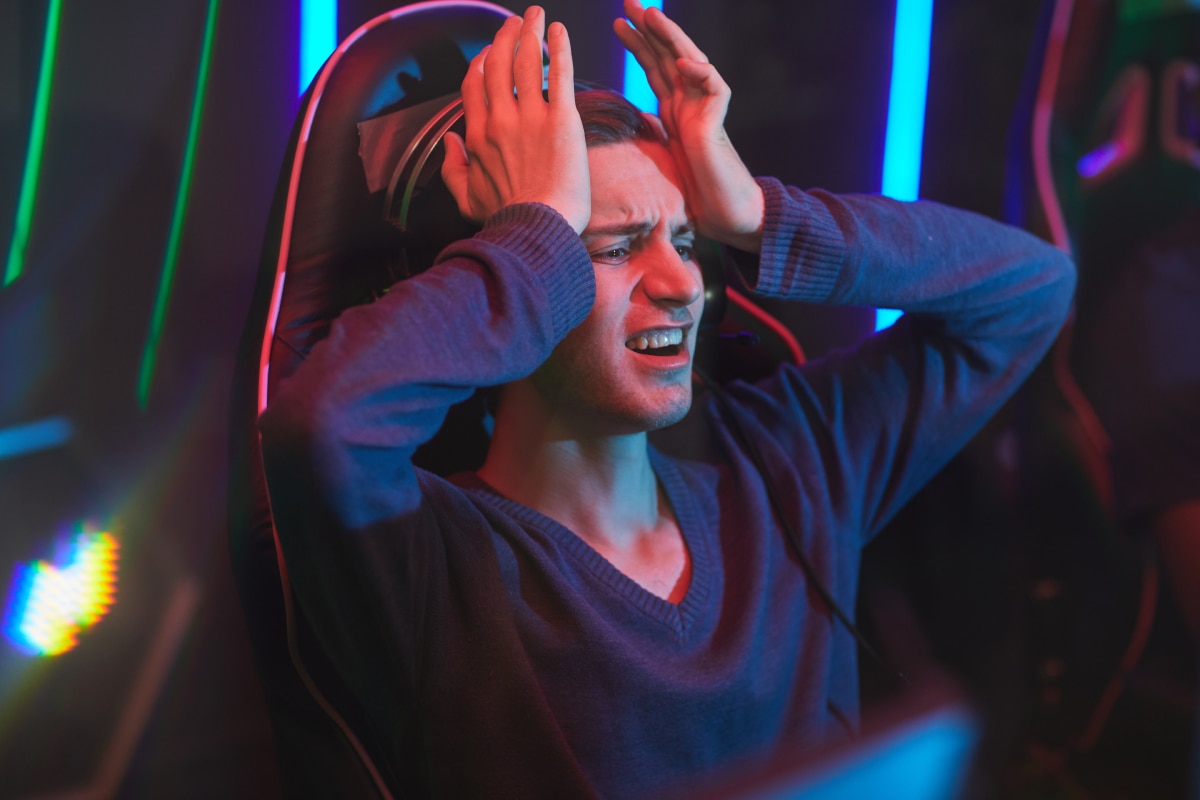
scbet88.com is thrilling, fast-paced, and intensely competitive—but it’s also mentally demanding. Behind the flashy streams, massive prize pools, and viral moments lies a high-pressure world where performance anxiety, burnout, and stress are real issues. As esports grows into a global industry, mental health has become a crucial topic that players, teams, and fans can no longer ignore.
From long practice hours to constant public scrutiny, esports athletes face unique mental challenges. But the good news is the industry is evolving. Players are now prioritizing wellness, teams are hiring psychologists, and organizations are creating healthier training environments.
Here’s a deep look into esports mental health—what causes stress, how players cope, and why mental wellness is becoming the new competitive advantage.
The Hidden Pressure
Constant Performance
Esports players are judged on every match. One bad game can impact rankings, sponsorships, and reputation. That pressure can create anxiety and self-doubt.
Endless Practice
Top teams practice for hours daily. The grind can be mentally exhausting, especially when progress feels slow or inconsistent.
Public Scrutiny
In esports, every move is streamed. Fans react instantly. Players face criticism, hate comments, and sometimes toxic messages.
Common Mental Struggles
Burnout Signs
Burnout is a major issue. Players may feel exhausted, unmotivated, or disconnected from the game they once loved.
Anxiety & Stress
Before big tournaments, players often experience intense stress. The fear of losing can affect focus and decision-making.
Depression Risks
Constant pressure and negative feedback can lead to depression. Players may feel isolated, especially if they avoid talking about their struggles.
Why Esports Is Unique
Digital Pressure
Unlike traditional sports, esports is always online. Players are visible 24/7, and every mistake is recorded forever.
Performance Metrics
Games track stats, rankings, and match history. Players are constantly reminded of their performance.
Constant Comparisons
Esports culture thrives on comparisons—between players, teams, and rankings. This creates a competitive mindset that can turn toxic.
The Role of Teams
Coaching Support
Modern esports teams now hire mental coaches. These experts help players manage stress, improve focus, and build resilience.
Structured Practice
Teams are designing smarter practice schedules. Instead of endless hours, training includes breaks, recovery, and mental rest.
Healthy Team Culture
Teams are now prioritizing communication and emotional support. A positive environment helps players feel safe to share struggles.
Real-Life Examples
Pro Players Speak Out
Many pro players have opened up about mental health. Their honesty is changing the industry and encouraging others to seek help.
Tournaments with Support
Major tournaments now include mental health resources. Players can access counseling and support during high-pressure events.
Esports Organizations
Some organizations are creating wellness programs that include physical training, nutrition, and mental coaching.
How Players Stay Healthy
Daily Routine
Top players follow routines—sleep, nutrition, exercise, and mindfulness. These habits improve focus and reduce stress.
Time Management
Balanced practice schedules prevent burnout. Players plan time for rest, hobbies, and social life.
Mental Training
Visualization, breathing exercises, and meditation are becoming common. These techniques help players stay calm under pressure.
The Fan Impact
Supportive Communities
Fans can play a positive role by supporting players instead of criticizing them. Positive comments and respect create a healthier environment.
Reducing Toxicity
Communities are now pushing back against hate and toxicity. Platforms and teams are enforcing stricter rules against harassment.
Mental Health Awareness
When fans see players speaking about mental health, it encourages others to seek help and prioritize wellness.
Why Mental Health Matters
Performance Boost
A healthy mind leads to better performance. Players who manage stress make better decisions, react faster, and stay focused longer.
Longevity in Career
Mental wellness extends careers. Players who avoid burnout can compete at high levels for longer.
Better Industry Standards
As mental health becomes a priority, esports becomes more sustainable and respected as a professional sport.
Conclusion
Sbobet88 mental health is no longer a hidden topic—it’s a key part of the industry’s future. The pressure, public scrutiny, and intense competition make mental wellness essential for success.
The rise of mental coaching, supportive teams, and open conversations is changing esports for the better. Players are realizing that strength is not just about reflexes or strategy—it’s about balance, resilience, and self-care.
In the world of esports, mental health is the new competitive edge—and it’s here to stay.