
Medical marijuana is increasingly used not as a disruptive treatment, but as a supportive tool that helps people manage symptoms while maintaining normal routines. For many patients, the goal isn’t to feel altered or disconnected—it’s to function better, feel more balanced, and improve quality of life. When approached intentionally, medical marijuana can fit naturally into everyday life without becoming overwhelming or intrusive.
Shifting the Mindset From Treatment to Support
One of the biggest adjustments patients make is shifting how they think about cannabis. Instead of viewing it as a standalone solution, many people treat medical marijuana as one part of a broader wellness plan. Just like nutrition, exercise, or stress management techniques, cannabis works best when it supports daily function rather than dominating it.
This mindset encourages moderation and clarity. Patients often focus on symptom relief that enables them to work, socialize, stay active, and rest properly, rather than chasing strong effects. When the goal is support instead of escape, cannabis becomes easier to integrate into regular life.
Choosing Products That Match Your Routine
Everyday integration depends heavily on choosing the right products. Different formats offer different benefits depending on timing, lifestyle, and personal sensitivity.
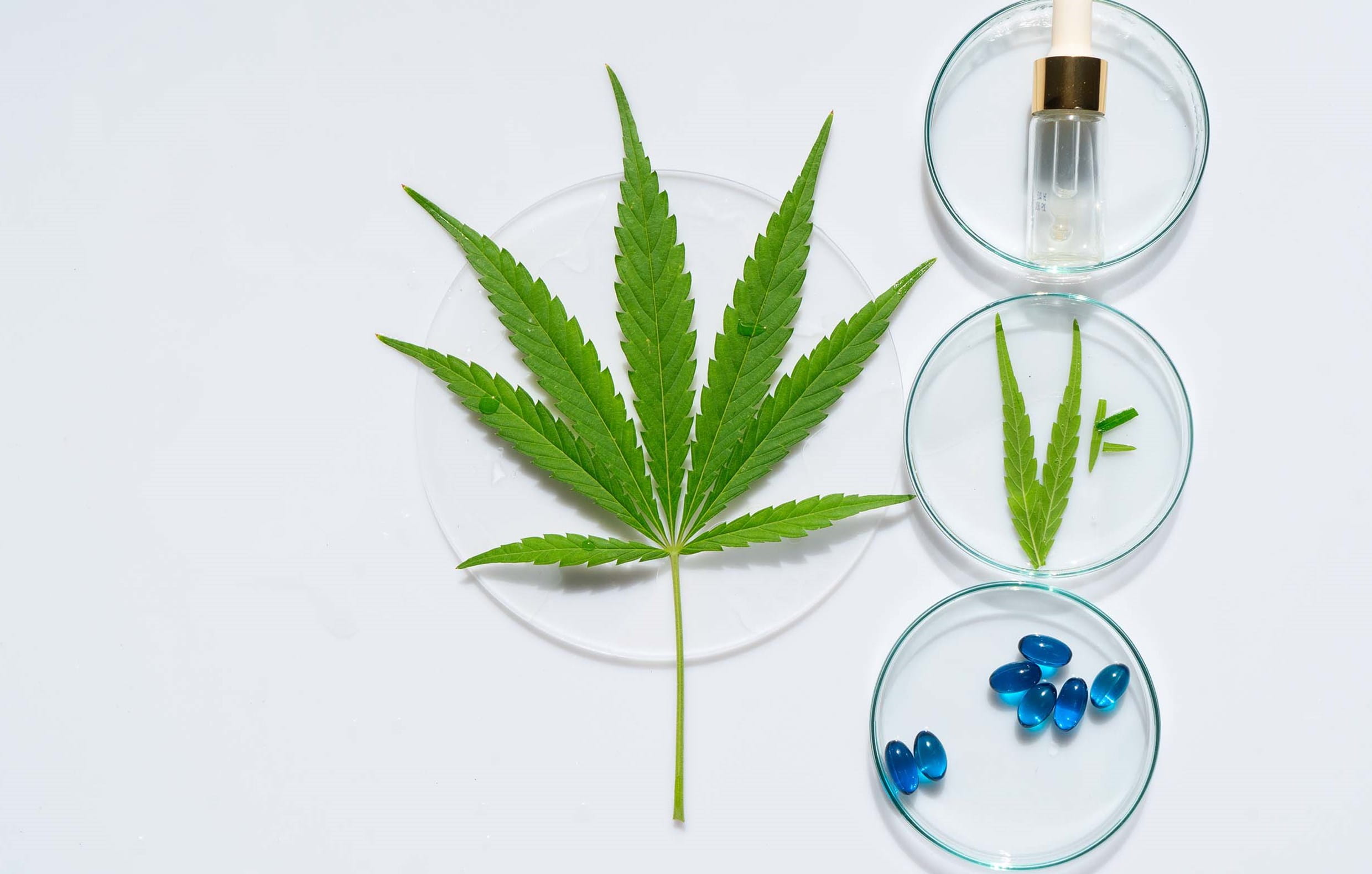
Some people prefer low-dose oils or tinctures because they allow precise control and discreet use. Others find capsules easier to incorporate into a daily supplement routine. For evening use, products designed to promote relaxation may fit naturally into a wind-down ritual. The key is selecting options that align with your schedule and responsibilities, rather than working against them.
Consistency matters more than intensity. Products that deliver predictable, manageable effects tend to be the easiest to integrate long-term.
Managing Dosage Without Disruption
One of the most common challenges for new patients is dosage. Using too much can interfere with focus, energy, or motivation, making everyday activities feel harder instead of easier. That’s why many experienced patients adopt a “less is more” approach.
Starting with low doses and adjusting gradually helps prevent unwanted side effects and supports functional use. Over time, patients often learn exactly how much they need to feel relief without impairment. This measured approach allows cannabis to blend into daily routines rather than forcing changes around it.
Staying Productive and Social
A major concern for many people is whether medical marijuana will interfere with work, relationships, or social life. When used thoughtfully, many patients report the opposite effect—reduced discomfort, improved mood, and better emotional regulation can actually make everyday interactions smoother.
Timing plays a major role here. Some people reserve cannabis use for evenings or downtime, while others use very low doses during the day to manage stress or physical discomfort. Clear boundaries help ensure that cannabis supports engagement rather than withdrawal from daily life.
Pairing Cannabis With Healthy Habits
Medical marijuana is most effective when paired with other positive lifestyle choices. Patients who see the best results often combine cannabis with habits like regular movement, balanced nutrition, adequate hydration, and consistent sleep schedules.
Cannabis may help remove barriers—such as pain, anxiety, or restlessness—that make healthy habits harder to maintain. But it works best when those habits are already part of the plan. This balanced approach reinforces long-term wellness rather than creating dependence on a single tool.
Adjusting as Life Changes
Life is rarely static, and medical marijuana use doesn’t have to be either. Stress levels change, workloads shift, and health needs evolve. Successful integration means being willing to reassess product choice, dosage, and timing over time.
Some patients use cannabis daily, while others use it only when symptoms flare up. Both approaches can be valid. Regular self-check-ins help ensure that cannabis continues to serve your needs instead of becoming automatic or habitual.
Legal Access and Medical Oversight
Integrating medical marijuana responsibly also means accessing it legally and under medical supervision. In regulated states, patients typically begin by consulting a licensed healthcare provider who can determine whether cannabis is appropriate for their condition. For example, some individuals research how to get a medical marijuanas card in Texas as part of ensuring they follow state-specific guidelines and receive treatment within the legal medical framework.
Medical oversight helps patients stay informed, avoid interactions with other medications, and adjust usage safely as health needs change.
Making Cannabis Fit Your Life—not the Other Way Around
Ultimately, integrating medical marijuana into everyday life is about alignment. When used with intention, education, and moderation, cannabis doesn’t have to disrupt routines or redefine identity. Instead, it can quietly support comfort, stability, and functionality.
By choosing the right products, maintaining healthy boundaries, and staying mindful of your goals, medical marijuana can become a practical, manageable part of daily life—helping you show up more fully, not less.