
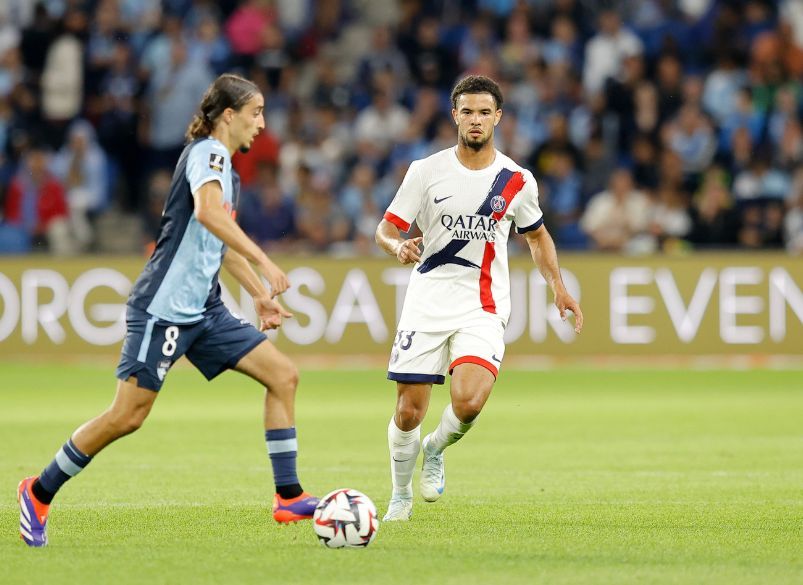
Shooting accuracy is one of the clearest indicators of attacking efficiency in Ligue 1. While total goals often fluctuate due to chance, finishing precision tends to remain stable over longer periods because it reflects shot selection, chance quality, and decision-making under pressure. Teams that consistently hit the target are not simply “clinical” by luck. Their accuracy is produced by structure, spacing, and repeatable attacking patterns. Understanding which Ligue 1 teams finish most accurately requires looking beyond goal counts and into how shots are created.
Why Shooting Accuracy Is a Meaningful Performance Signal
Shooting accuracy measures how often attempts actually test the goalkeeper or result in goals. The cause behind high accuracy is rarely individual talent alone. It begins with chance filtering. Teams that avoid speculative shots naturally post higher accuracy because they shoot from zones where balance and visibility are favorable. The outcome is a higher proportion of shots on target. The impact is tactical stability, as fewer wasted attempts reduce defensive transitions and preserve attacking control.
In Ligue 1, where defensive blocks are compact, teams that manage shot discipline gain a structural advantage over volume-based attackers.
Structural Factors That Create Accurate Finishing
Accuracy emerges from how attacks are constructed rather than how they end. Teams that progress the ball into central or cutback zones force defenders to retreat, buying attackers time to set their body shape. This increases clean contact probability.
Well-spaced attacking lines also reduce the need for rushed decisions. When supporting runners are present, shooters can delay by half a second, which often separates blocked shots from on-target finishes.
Ligue 1 Teams Known for High Shooting Precision
Across recent seasons, a small group of Ligue 1 sides consistently rank near the top for shots on target per attempt. This trend reflects sustained attacking structure rather than temporary form.
Teams such as Paris Saint-Germain, AS Monaco, LOSC Lille, Stade Rennais, and OGC Nice frequently show above-average shooting accuracy. The common thread is restraint. These teams pass up low-value shots and recycle possession until higher-quality opportunities appear.
The result is fewer total attempts, but a greater percentage that genuinely threaten the goal.
Mechanisms That Improve Shot Accuracy
Before identifying specific mechanisms, it is important to understand that accuracy improves when decision difficulty decreases. Teams that simplify shooting decisions raise precision without increasing technical risk.
Common Accuracy-Enhancing Mechanisms
These mechanisms operate consistently because they are embedded in tactical instruction rather than individual improvisation.
- Cutbacks from the byline instead of early crosses
- Central overloads creating shots between penalty spot and six-yard box
- Delayed shooting to allow defenders to commit
- Preference for first-time finishes in clear lanes
Interpreting these patterns shows that accuracy is designed into the attack, not hoped for at the moment of contact.
Data Indicators That Separate Accuracy From Volume
Raw goal totals often obscure finishing quality. Teams with many shots can score frequently while still being inaccurate. To isolate precision, supporting metrics are required.
Before reviewing the table, it matters to note that these indicators focus on shot efficiency, not dominance.
| Metric | High-Accuracy Team | Low-Accuracy Team | Interpretation |
| Shots on target % | 42–48% | 30–34% | Shot selection quality |
| Goals per shot | High | Moderate | Conversion efficiency |
| Average shot distance | Short | Long | Reduced speculation |
| Big chances per match | Consistent | Sporadic | Structured creation |
Reading this table highlights that accurate teams succeed by narrowing shot profiles rather than increasing frequency.
Where Shooting Accuracy Can Be Misleading
High accuracy does not guarantee consistent scoring. Teams that create few chances can appear precise but still struggle to win matches. The failure case occurs when accuracy is driven by low shot volume rather than strong chance creation.
The warning sign is dependency. If a team’s accuracy drops sharply after conceding first, it suggests the precision relies on game control rather than adaptable attacking strength.
Applying Accuracy Data in Analytical Evaluation
From a data-driven betting perspective, shooting accuracy helps contextualize attacking reliability. Accurate teams are more resilient to defensive variance because they waste fewer possessions. However, markets sometimes overvalue recent goal streaks while underweighting sustained precision.
When evaluating attacking efficiency through a football betting website or betting environment, analysts often compare expected goals with shot accuracy to assess sustainability. During this process, examining team profiles and market expectations on UFABET allows a clearer distinction between teams scoring through repeatable precision and those benefiting from short-term finishing spikes.
Interaction Between Accuracy and Match Context
Accuracy tends to decline under fatigue or high pressing. Teams reliant on controlled buildup may lose precision late in matches or against aggressive opponents. Conversely, sides with automated patterns maintain accuracy even under stress.
This interaction explains why some teams remain precise away from home while others regress sharply outside familiar conditions.
Summary
The most accurate finishing teams in Ligue 1 achieve precision through structure, patience, and disciplined shot selection rather than sheer attacking volume. Their accuracy reflects repeatable mechanisms that lower decision difficulty and improve contact quality. While context can influence outcomes, sustained shooting precision remains a strong indicator of attacking efficiency when interpreted alongside chance creation and game state.