As summer temperatures continue to climb, homeowners are looking for more effective ways to keep their living spaces comfortable. One of the most successful strategies starts with the very foundation of the building. The walls of a house serve as the primary shield against solar radiation, which is why selecting specific types of bricks that block heat is a vital step for any construction project. When you invest in the right construction bricks, you can keep your home cool naturally and rely much less on expensive mechanical cooling.
Why Your Choice of Construction Bricks Matters
To understand how a house stays cool, one must look at how different materials interact with the sun’s energy. Many standard materials soak up heat throughout the day and then radiate that warmth into the living areas at night. This is often why some houses feel stifling long after the sun has gone down.
High-quality construction bricks act as a thermal barrier. They significantly slow the movement of heat from the outdoors to the interior. By selecting the right types of bricks, you are essentially adding a layer of natural insulation to your daily life. This helps a home maintain a steady, pleasant temperature even during a scorching afternoon. Learning about the various types of bricks available in today’s market ensures your home is built for both structural strength and climate comfort.
Top Types of Bricks for Heat Reduction
1. Fly Ash Bricks
Fly ash bricks have become a preferred choice for building in hot, arid climates. These construction bricks are made using recycled ash, which makes them an environmentally responsible option as well. They do not absorb as much solar heat as older, traditional materials, which helps the exterior walls stay much cooler under direct sunlight. Among the many modern types of bricks, fly ash is a top contender for anyone wanting to stay cool while remaining mindful of the planet.
2. Hollow or Cellular Bricks
Hollow bricks are often considered the most effective types of bricks for temperature management. These units are manufactured with empty air pockets inside. Because heat does not travel well through air, these cells act as a natural “thermal break.” This smart design prevents the sun’s energy from easily reaching the interior of the home. Compared to traditional solid red bricks, these hollow versions are far better at keeping a room chilly in tropical weather. Many architects now suggest these types of bricks for energy-saving residential projects.
3. Autoclaved Aerated Concrete (AAC) Blocks
AAC blocks are incredibly lightweight, yet they are frequently grouped with the best types of bricks for thermal insulation. They are created with millions of tiny air bubbles trapped inside that block heat from passing through the wall. Replacing heavy, solid construction bricks with AAC blocks can lower indoor temperatures by several degrees during the peak of summer. For many families, these are the preferred types of bricks to help lower monthly utility bills.
4. Porotherm Smart Bricks
Porotherm bricks are clay-based blocks designed with special perforations for natural ventilation. These holes allow the walls to “breathe” while simultaneously blocking the sun’s path into the home. They are an excellent choice for those who appreciate the durability of clay construction bricks but need better heat protection. When you compare these types of bricks to more basic options, they perform significantly better at managing both heat and indoor moisture levels.
Traditional Red Bricks and Thermal Performance
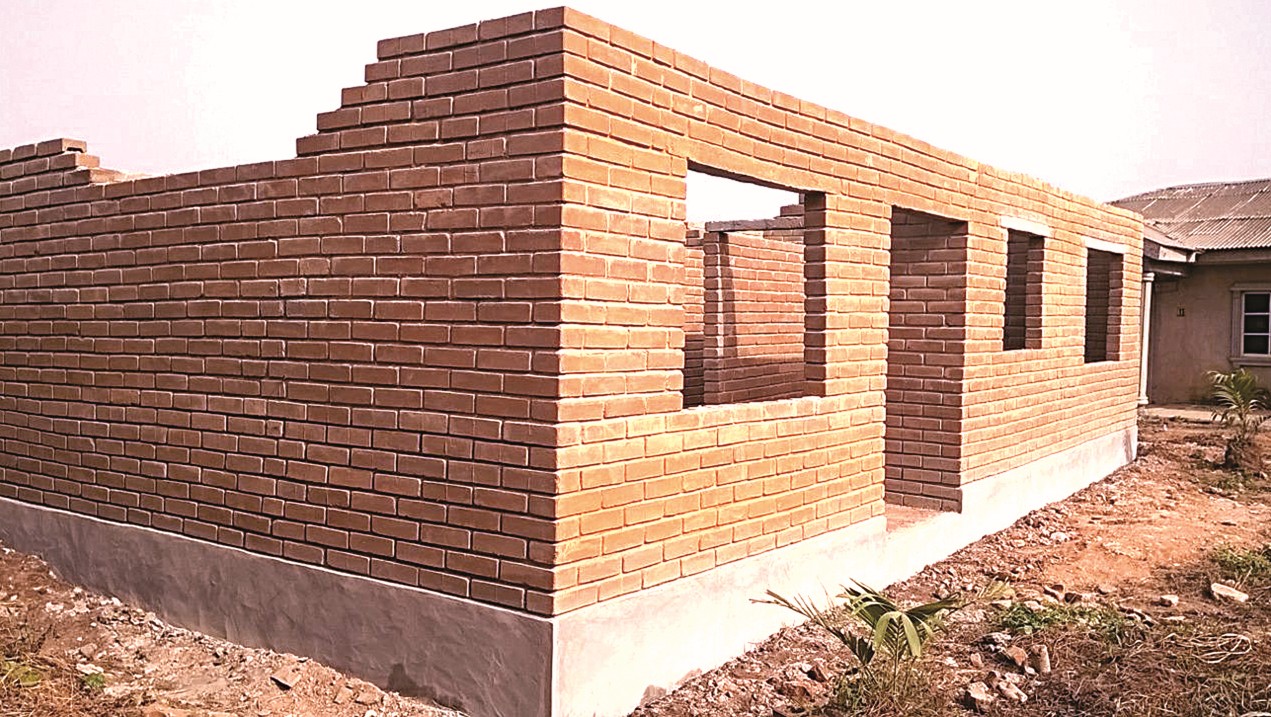
For centuries, red bricks have been the standard material for builders across the globe. People appreciate red bricks because they are incredibly tough and offer a timeless aesthetic. However, solid red bricks have a high thermal mass, meaning they hold onto heat for long periods. They may stay cool in the early morning, but they release that stored warmth into the house late at night.
In many homes, thick red bricks can make the interior feel heavy and warm after sunset. To fix this, modern builders often use two layers of red bricks with a small air gap in between. This gap mimics the air pockets found in modern types of bricks. This technique allows a homeowner to enjoy the classic style of red bricks without the discomfort of trapped heat.
Conclusion: Building for a Cooler Future
Picking the right types of bricks is arguably the most important step in creating a climate-resilient home. While some advanced construction bricks might cost more initially than standard red bricks, they pay for themselves through long-term energy savings. By choosing specialized types of bricks that manage heat naturally, you can create a more relaxing and sustainable living space. In the end, the right construction bricks are a permanent investment in your comfort, ensuring your home remains a cool sanctuary all year long.